Provenance vs Attribution - What is the Difference?
When navigating the bustling world of digital art marketplaces, terms like provenance record and artist attribution bio keep popping up. Buyers often grapple with the difference and influence of these concepts on their purchasing decisions. Simply put: understanding the distinction between provenance and attribution is crucial for establishing trust and credibility — especially as surged adoption of AI-generated imagery brings new challenges.
Why You Should Trust and Transparency Matter More Than Ever in Digital Art
Imagine a buyer interested in an original digital print priced at $200. They want to be certain the piece you're buying is authentic, traceable to its creator, and not some vague "museum quality" work that means little without disclosed materials and origins. Vague claims or missing artist details erode buyer confidence and risk turning art commerce into guesswork.
Enter two cornerstone concepts that build confidence: provenance and attribution.
Defining Provenance: The Practical Buyer Safeguard
Ask yourself this: provenance refers to the documented history of ownership of an artwork. Think of it as a chain of custody or authorship traceability, detailing every owner, sale, or transfer. This historical record acts as a safeguard: it not only establishes authenticity but also adds value. For instance, a provenance record showing consistent ownership through respected collectors or galleries, like those documented by Noirci Studio, reassures buyers about a piece’s legitimacy.
In the context of digital art marketplaces, a complete provenance record might include:
- Original creation details (date created, medium, file format)
- Certificate of authenticity issued by the artist or marketplace
- Chronology of sales and transfers with corresponding dates and prices
- Proof of prior ownership or exhibition history
Having such a robust provenance record ensures the buyer is not purchasing a dubious or deceptively marketed digital asset. As Newsweek recently underscored, "a transparent provenance record is essential for preserving buyer trust in a rapidly evolving digital art ecosystem."
What Is Artist Attribution?
Artist attributionWho is the creator?
Reliable artist attributions include:
- Artist name and signature verification
- Biography outlining training, influences, and exhibition history
- Links to previous works and published critical commentary
- Details on studio or collective where the art originated
In marketplaces like Noirci Studio, detailed artist attribution bios accompany each listing, allowing buyers to connect with the artist behind the work, contextualize their creation, and verify its authenticity.
Why Attribution Matters
Attribution strengthens the artwork’s credibility and reflects respect for intellectual property — especially important in today's digital landscape increasingly affected by AI-generated art and reproduction. A transparent artist biography can reveal:
- The creator’s commitment to traditional or digital techniques
- Whether AI tools were used in the creative process
- The degree to which the piece is original versus derivative
In turn, this transparency guides ethical purchasing decisions and supports artist recognition and fair compensation.
The Intersection and Differences: Provenance vs Attribution
Aspect Provenance Attribution Primary Focus Ownership history and authenticity trail Identifying the creator and their background Buyer Impact Confirms legitimacy, helps verify price justification Ensures ethical authorship, enhances cultural context Includes Sale records, transfers, certificates Artist name, biography, signature & methodology Typical Documentation Transaction receipts, COAs, prior owner list Artist statements, gallery profiles, interviews Handling AI-Generated Images Traces ownership of final image file Discloses role of AI and human artist in creationWhy Buyers Need Both Provenance and Attribution
It’s tempting to conflate provenance with attribution, but the two serve complementary roles that together make your authorship traceability bulletproof. Consider the buyer with a $200 budget browsing digital prints. They want assurance that:

- The piece hasn’t been copied or counterfeit (provenance)
- They know who created it, their artistic intent, and ethical source (attribution)
- They’re not unwittingly buying AI-generated art without disclosure
Provenance records alone might show previous owners and sales, yet if the artist attribution is unclear or absent, the buyer might wonder if the listing is curated by an anonymous source or if AI played a dominant creation role. Conversely, an artist attribution bio without a clear provenance record risks buyers’ skepticism about authenticity or ownership history.
AI-Generated Imagery and Disclosure Expectations
One of the biggest challenges in today’s digital art market is the rise of AI-generated artwork. The boundary between human-authored art and machine-generated images often blurs. This evolution makes precise provenance and attribution even more necessary.
Buyers expect honest, upfront disclosures when AI tools contribute significantly. We’ve seen platforms obscuring AI involvement, causing trust to plummet. Trusted marketplaces like Noirci Studio now require sellers to clearly Check over here state if an artwork is AI-assisted — either in the provenance record (detailing creation tools and file info) or the artist attribution bio (explaining creative process and human/AI contributions).
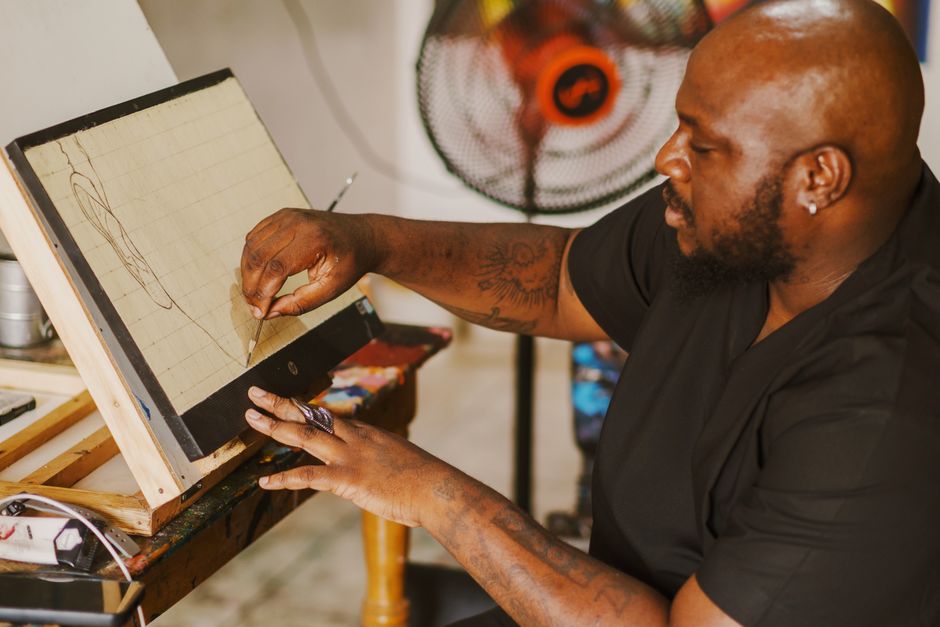
Transparency here helps buyers judge value fairly. For example, a piece priced at $200 with clear attribution as a "collaborative human-AI work" and a documented provenance record instills more confidence than a vague $200 "digital oil painting" with no creator info or ownership trail.
How to Verify Provenance and Attribution Yourself: A Buyer Checklist
Before confirming any digital art purchase, use this mental checklist to verify trust what is AI art disclosure and credibility:
- Request or review the provenance record: Look for consistent chain of ownership, sale history, certificates of authenticity.
- Examine the artist attribution bio: Confirm the artist’s identity, background, and previous works.
- Check for AI disclosure: Is there clear mention if AI tools were used? What was the artist’s role?
- Assess marketplace reputation: Are they known for transparency and robust authentication?
- Seek external validation: Look up Newsweek reports or trusted consultants' takes on the artist or platform.
Following this routine may feel like a hassle, but it protects you from vague marketing phrases, unverifiable claims, and misrepresented artworks.
Final Thoughts
As digital art marketplaces expand and evolve, “trust” can no longer be an abstract marketing claim. Provenance and attribution are twin pillars holding up buyer confidence and fair valuation. Knowing that a $200 art purchase comes with a traceable ownership history and a transparent artist bio is priceless. It transforms the transaction from a leap of faith into an informed investment.
Objectively, when you see a listing backed by a full provenance record combined with a clear artist attribution bio — especially when they disclose AI involvement honestly — you’re witnessing the gold standard of digital art commerce.
So next time you browse platforms like Noirci Studio or read art market reports in Newsweek, remember these definitions and insist on transparency. Because in the digital art world, authorship traceability is not a luxury but a necessity.